
Motion Blur Photography and Shutter Speed
What is Motion Blur?
Motion blur is related to exposure. The object's image moves across the sensor while the shutter is open, and that motion smears the object over every pixel it crossed: linear blur when the motion is a translation, angular blur when it is a rotation, and both at once when it is both.
Size it before you buy a lens or a light. The smear at the sensor is roughly v × t × m: object speed times integration time times optical magnification. Divide by the pixel pitch for the answer in pixels.
Two assumptions ride along. Use the component of velocity perpendicular to the optical axis, because motion straight toward the lens changes scale rather than translating the image. And treat m as constant only while the depth swing across the motion is small compared with the working distance. Otherwise the smear varies through the exposure.
Take a part moving at 1 m/s under a lens working at 0.05x magnification, captured with a 500 µs exposure onto a 3.45 µm pixel. The object travels 0.5 mm, the image smears 25 µm, and that is about 7 pixels. Drop the exposure to 100 µs and the smear falls to 1.4 pixels. Whether that is small enough depends on your measurement tolerance, not on a general rule.
Integration-time blur is not the same defect as rolling-shutter skew. Blur comes from the object moving during one pixel's exposure window. Skew comes from the sensor starting each row's exposure at a different moment, which leans vertical edges over and wobbles the whole frame when the camera vibrates.
The fixes differ. For blur, shorten the integration time and add light or a strobe. For skew, move to a global-shutter sensor. Strobing a rolling-shutter sensor works only when the readout gives every row a shared integration window, which needs a global reset mode or an exposure long enough that all rows overlap. Read the allowed pulse interval off the sensor timing diagram rather than assuming one exists.
In a dark enclosure the pulse width sets the effective exposure, so the flash duration rather than the shutter setting is what stops the motion, as long as every row is integrating while the pulse fires.
What does Motion Blur do?
Motion blur spreads a feature across pixels when the camera or scene moves during an exposure. It reduces edge contrast and can make feature positions harder to measure.

Exposure Has a Major Impact on Computer Vision and Machine Vision
Pei et al. show that motion blur degrades image classification accuracy for networks including VGG and AlexNet.
Avoiding motion blur matters wherever the scene or the camera moves and the task reads an edge: barcode and OCR decoding, defect detection, and dimensional measurement. A stationary part under steady light does not need it.

References and Related Links
Pei et al. "Effects of Image Degradations to CNN-based Image Classification"
Trying to Determine Your Camera Requirements?
Use our free web-based AoV Calculator to determine your system's Field of View Requirements. Then, use the M12 Lens calculator to match your requirements with the available lenses. Our Depth of Field Calculator also provides the hyperfocal distance and depth of field for every sensor and lens combination.


We also have a couple of other calculators that many engineers find interesting.


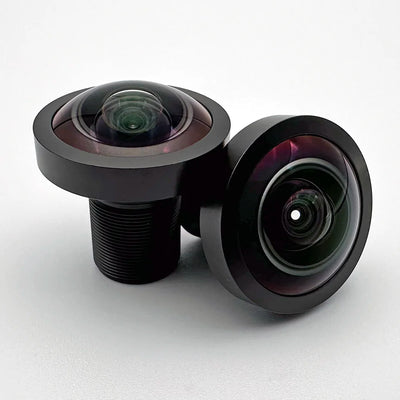
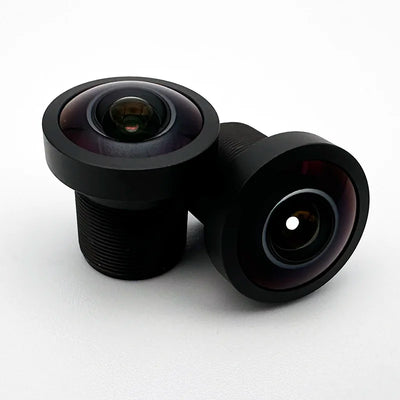
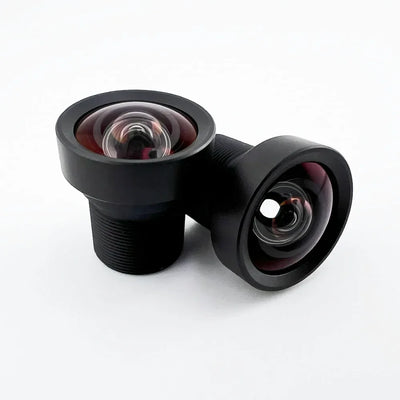
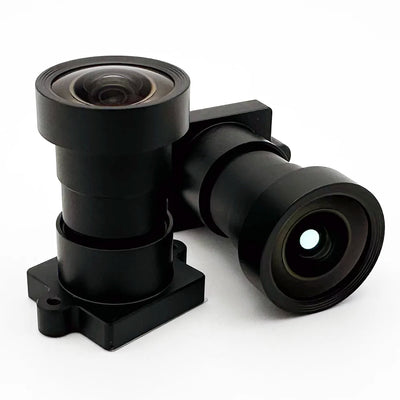
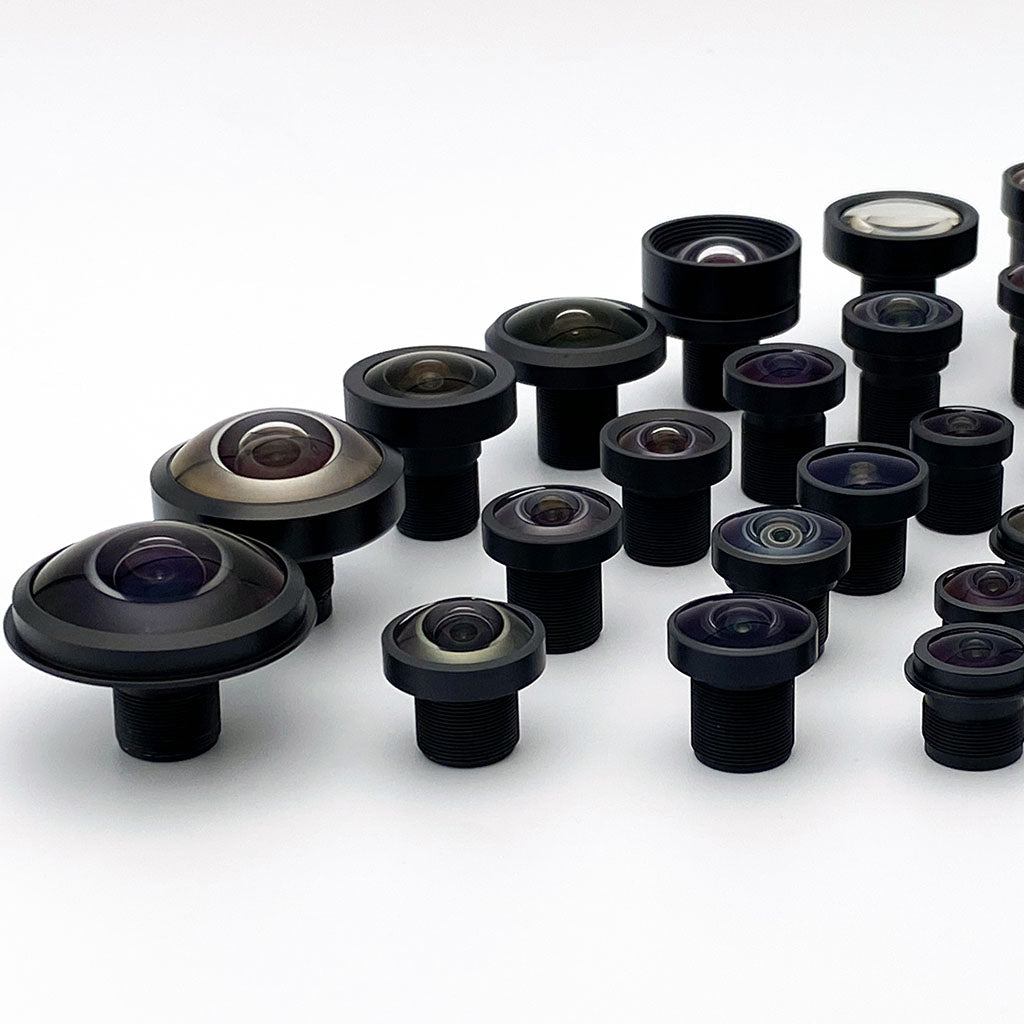
A Sample of the M12 Catalog. Compare All 80+ Optical Designs in the M12 Lens Calculator.